Author: Andy

  • Taylor Port Vs Tawny Port?

    Taylor Port Vs Tawny Port?

    Taylor Port and Tawny Port are two different styles of port wine that can often cause confusion among wine enthusiasts. While both are derived from the same grape varieties and produced in the Douro Valley of Portugal, they differ in taste, aging process, and overall characteristics. In this blog post, we will delve into the…

  • Why Is Taylor Port So Strong?

    Why Is Taylor Port So Strong?

    The main reason Taylor Port is so strong is its high alcohol content, which usually ranges between 18% and 20%. This fortified wine is made by adding grape spirit, such as brandy, to the must (grape juice) during the fermentation process. This results in a unique taste and a higher alcohol content compared to other…

  • Does Malt Vinegar Have Alcohol?

    Does Malt Vinegar Have Alcohol?

    Does malt vinegar have alcohol? The short answer is yes, but the alcohol content is usually very low, ranging from 0.1% to 2% by volume. Malt vinegar is a staple condiment in many households, commonly used for flavoring fish and chips, pickling vegetables, and as a key ingredient in salad dressings. The process of making…

  • Is There Yeast In Tequila?

    Is There Yeast In Tequila?

    Is there yeast in tequila? The short answer is no – it has been left out during distillation. However, yeast, specifically Saccharomyces cerevisiae, plays a crucial role in the fermentation process of tequila production before distillation. This blog post will delve into the world of tequila, exploring the role of yeast in its production, the…

  • Should Manischewitz Wine Be Refrigerated? (Does It Go Bad?)

    Should Manischewitz Wine Be Refrigerated? (Does It Go Bad?)

    Does Manischewitz wine need to be refrigerated? This is a question I’ve been asked numerous times by friends, family, and fellow wine enthusiasts. As an experienced brewer and lover of all things wine, I want to share my knowledge and experiences regarding the storage and handling of Manischewitz wine. In this blog post, we’ll explore…

  • Does Cold Crashing Cause Oxidation?

    Does Cold Crashing Cause Oxidation?

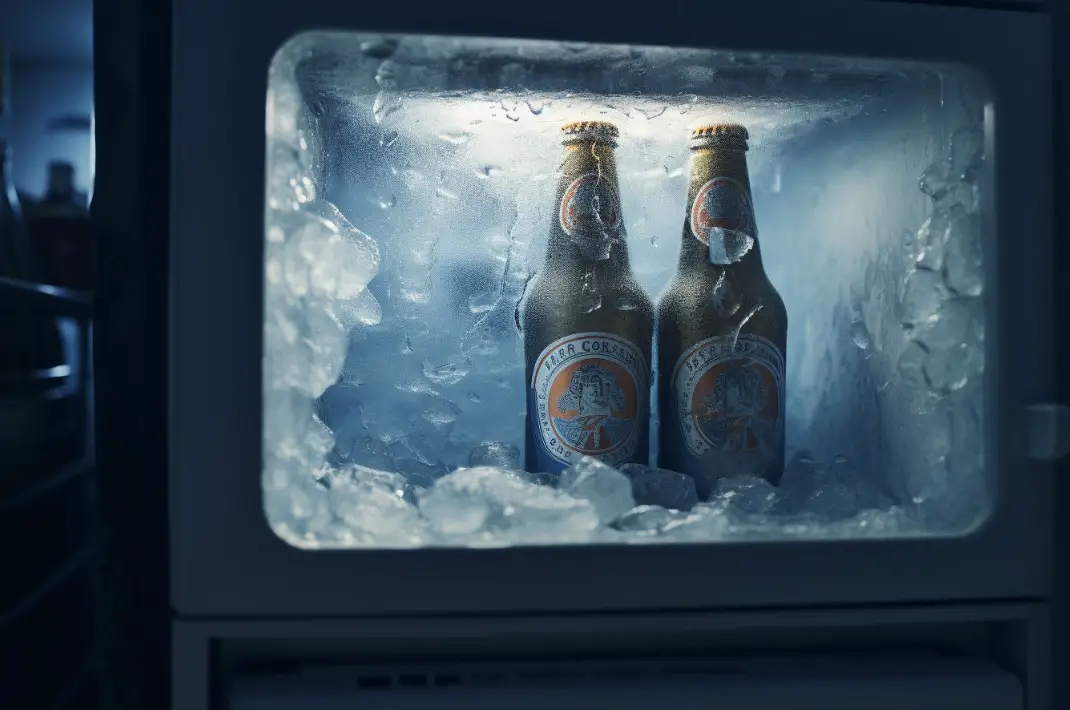
    Cold crashing is a technique used by homebrewers and professional brewers alike to clarify beer before packaging. The process involves rapidly chilling the fermented beer to near freezing temperatures (typically around 32-40°F or 0-4°C) for a short period (usually 24-72 hours). This rapid temperature drop encourages yeast, proteins, and other particulates to flocculate and settle…

  • What Is The Darkest Red Wine?

    What Is The Darkest Red Wine?

    The darkest red wine is Malbec, a full-bodied red wine known for its deep color, intense fruity flavors, and velvety texture. It is often blended with other varietals to create complex and balanced wines. In this blog post, we’ll explore the world of Malbec wines, their unique characteristics, variations, and food pairings. We’ll also delve…

  • Can Oranges Be Turned Into Alcohol?

    Can Oranges Be Turned Into Alcohol?

    Can oranges be turned into alcohol? The short answer is yes, oranges can be turned into alcohol through a process called fermentation. As an experienced brewer, I have experimented with various fruits, including oranges, to create unique and delicious alcoholic beverages. And whereas Orange wine or cider does not fall in my taste, the distilled…

  • Does Fruit Soaked In Alcohol Get You Drunk?

    Does Fruit Soaked In Alcohol Get You Drunk?

    Does fruit soaked in alcohol get you drunk? The answer is yes, it can. When fruit is soaked in alcohol, it absorbs the liquid and becomes infused with its alcoholic content. This process is commonly used to create delicious and potent treats such as rum-soaked raisins, vodka-soaked watermelon, and boozy fruit salads. However, it is…

  • Which Wines Are Non Carbonated?

    Which Wines Are Non Carbonated?

    Which wines are non-carbonated? In short, most wines are non-carbonated, as they are produced through traditional fermentation processes that do not create carbonation. However, there are some exceptions to this rule, such as sparkling wines like Champagne or Prosecco, which undergo a secondary fermentation that results in their signature effervescence. In this blog post, we…