Category: All Articles

  • How Much Priming Sugar for 1 Gallon of Cider?

    How Much Priming Sugar for 1 Gallon of Cider?

    As a home brewer, you may be wondering how much priming sugar you need to carbonate 1 gallons (3.8 liters) of your cider. So, how much priming sugar for 1 gallon of cider? For 1 gallons or 3.8 liters of brew, you will want to add 16 grams of sugar to get a well-carbonated cider.…

  • How Much Priming Sugar for 1 Gallon of Beer?

    How Much Priming Sugar for 1 Gallon of Beer?

    As a home brewer, you may be wondering how much priming sugar you need to carbonate 1 gallon (3.8 liters) of your beer? So, how much priming sugar for 1 gallon of beer? For 1 gallon or 3.8 liters of brew, you will want to add 16 grams of sugar to get a well-carbonated beer.…

  • How much priming sugar and water for 5 gallons?

    How much priming sugar and water for 5 gallons?

    As a home brewer, you may be wondering how much priming sugar you need to carbonate 5 gallons (19 liters) of your cider, beer or sparkling wine. So, how much priming sugar and water for 5 gallons? For 5 gallons or 19 liters of brew, you will want to add 80 grams of sugar to…

  • Can You Ferment Cranberry Juice Into Alcohol?

    Can You Ferment Cranberry Juice Into Alcohol?

    Have you ever wanted to turn cranberry juice into your own homemade alcohol? If so, you’ve come to the right place. Average cranberry juice can be fermented into a wine or cider with about 5% alcohol. Like other fruit juices, it will ferment when you add yeast to it. If you want higher alcohol percentages…

  • Best apples for Cider Brewing (How To Choose!)

    Best apples for Cider Brewing (How To Choose!)

    Cider apples are different from those we eat. They are higher in tannins and acidity, which gives cider its characteristic astringency. The best cider apples will have a balance of sweetness and acidity, with just enough tannin to give the cider body and structure. English cider apples are typically made with bittersweet or sharp apples,…

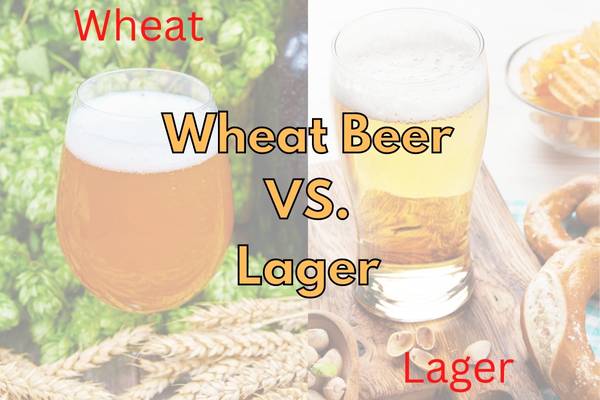
  • Wheat Beer vs Lagers: Their Differences Explained!

    Wheat Beer vs Lagers: Their Differences Explained!

    Lager and wheat beers are two of the most popular beer styles in the world. Both are brewed with different types of yeast and have unique flavor profiles. Lagers are typically light-bodied and crisp, while wheat beers tend to be fuller-bodied and slightly sweeter. Sour beers, like Berliner Weisse, Gose and Lambic, are also wheat…

  • Pectic Enzyme in Cider Brewing: Uses and Alternatives!

    Pectic Enzyme in Cider Brewing: Uses and Alternatives!

    As a brewer, you may have come across the term “pectic enzyme” and wondered what it is and what it does. Pectic enzyme (also called pectinase) is an important ingredient in the brewing of cider and wine. Pectic enzyme is a type of enzyme that breaks down pectins. Pectins are found in the cell walls…

  • Keeving in Cider Making – A Guide!

    Keeving in Cider Making – A Guide!

    Keeving is an ancient art of making sweet cider, and it’s something that every home brewer should learn. In this blog post we’ll be discussing the history of keeving, what you need to make a traditional sweet cider using the keeving method as well as tips for successful results. Keeved cider is a traditional method…

  • Kegging Hard Cider Like a Pro – The Ultimate Guide!

    Kegging Hard Cider Like a Pro – The Ultimate Guide!

    Are you looking to take your hard cider brewing game up a notch? Kegging hard cider is an excellent way to store and serve it. Not only will kegging give you the convenience of having easy access to freshly tapped, carbonated hard cider whenever you want, kegging hard cider allows you to control the carbonation…

  • Yeast Nutrients – A Guide For Cider Brewers!

    Yeast Nutrients – A Guide For Cider Brewers!

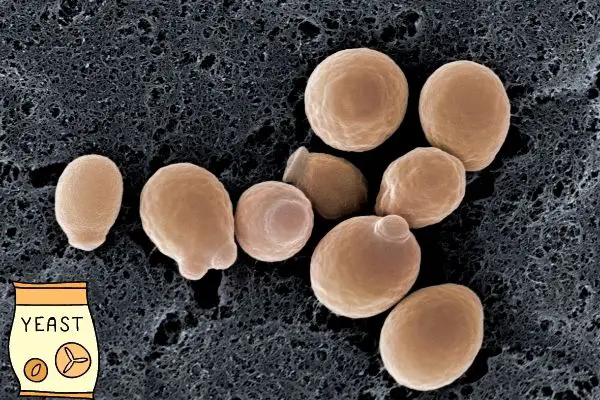
    When you are brewing cider using fruit juice with low amounts of nutrients, it can sometimes be hard to get a proper fermentation going. Yeast nutrients can help you achieve higher amounts alcohol or help get a stubborn fermentation started or restarted if it gets stuck before all the sugars are used up. Yeast nutrients…