Category: Wine

Everything about the brewing, tasting and drinking of wine. Traditional as well as wild and fruit wines.

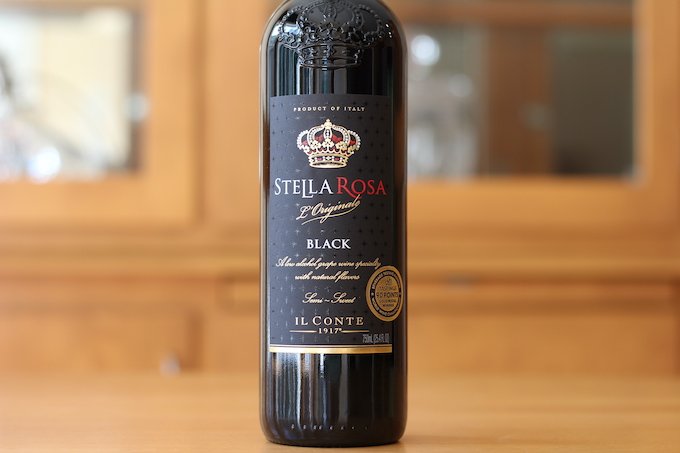
  • Does Stella Rosa Black Get You Drunk?

    Does Stella Rosa Black Get You Drunk?

    Does Stella Rosa Black get you drunk? The short answer is yes, but how quickly and to what extent depends on various factors, including your alcohol tolerance, body weight, and how much you drink. Stella Rosa Black is a popular Italian wine with a unique flavor profile and a relatively low alcohol content compared to…
  • Why Is Taylor Port So Strong?

    Why Is Taylor Port So Strong?

    The main reason Taylor Port is so strong is its high alcohol content, which usually ranges between 18% and 20%. This fortified wine is made by adding grape spirit, such as brandy, to the must (grape juice) during the fermentation process. This results in a unique taste and a higher alcohol content compared to other…

  • Difference Between Bordeaux And Merlot?

    Difference Between Bordeaux And Merlot?

    What is the difference between Bordeaux and Merlot? The answer to this question lies in understanding the origins, grape varieties, and wine production methods of these two famous wine regions. Bordeaux is a region in France known for its world-class red wines, while Merlot is a grape variety predominantly used in Bordeaux wines. That is, they…

  • Should Manischewitz Wine Be Refrigerated? (Does It Go Bad?)

    Should Manischewitz Wine Be Refrigerated? (Does It Go Bad?)

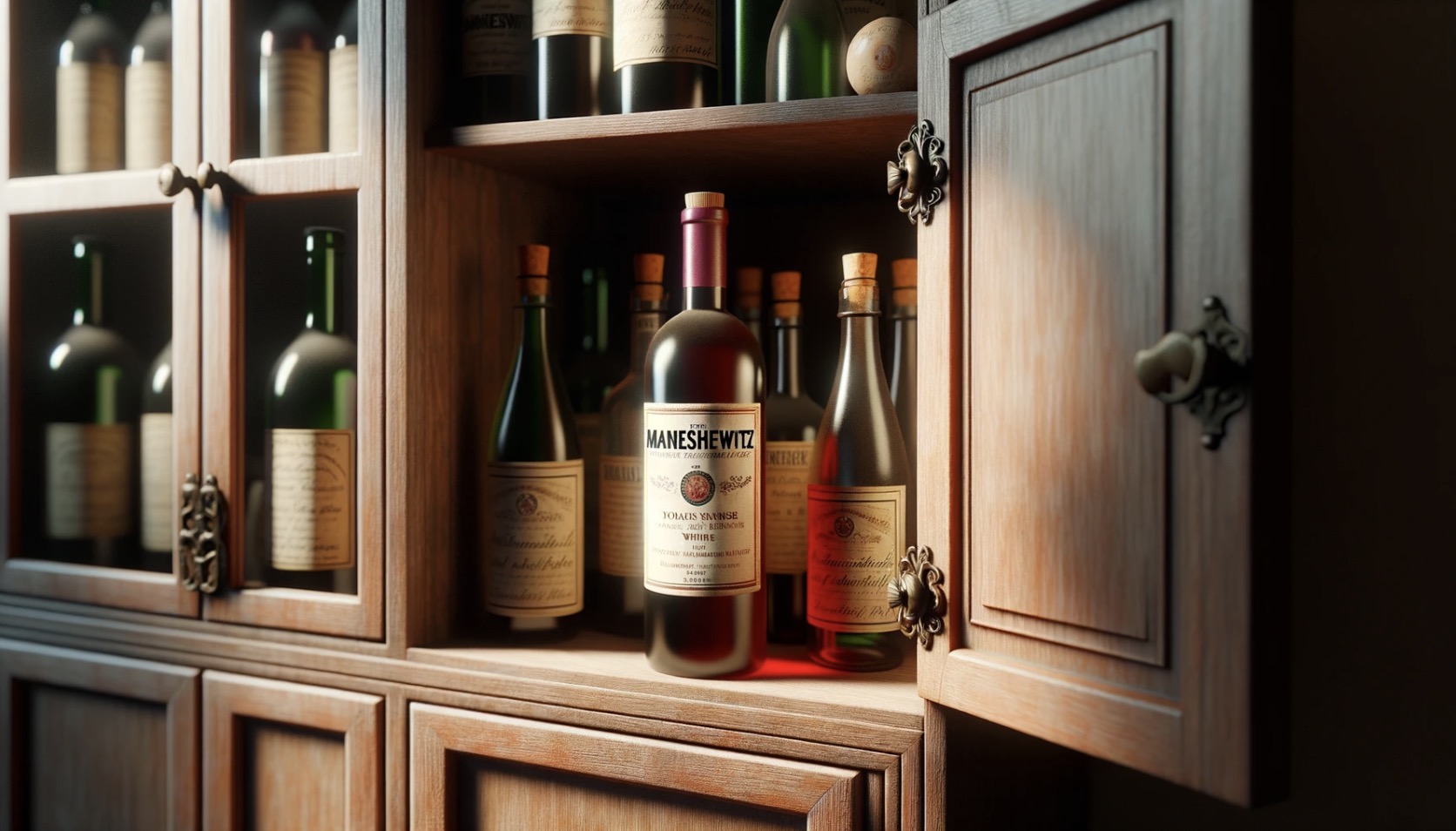
    Does Manischewitz wine need to be refrigerated? This is a question I’ve been asked numerous times by friends, family, and fellow wine enthusiasts. As an experienced brewer and lover of all things wine, I want to share my knowledge and experiences regarding the storage and handling of Manischewitz wine. In this blog post, we’ll explore…

  • What Cheap Wine Was Popular In The 1970S?

    What Cheap Wine Was Popular In The 1970S?

    In the 1970s, the cheap wine that was popular was none other than Mateus Rosé. This Portuguese wine exploded onto the scene and became a staple in households across the United States and Europe. As an experienced wine taster and home brewer, I have a deep appreciation for the history of wine and the trends…

  • What Is The Darkest Red Wine?

    What Is The Darkest Red Wine?

    The darkest red wine is Malbec, a full-bodied red wine known for its deep color, intense fruity flavors, and velvety texture. It is often blended with other varietals to create complex and balanced wines. In this blog post, we’ll explore the world of Malbec wines, their unique characteristics, variations, and food pairings. We’ll also delve…

  • Which Wines Are Non Carbonated?

    Which Wines Are Non Carbonated?

    Which wines are non-carbonated? In short, most wines are non-carbonated, as they are produced through traditional fermentation processes that do not create carbonation. However, there are some exceptions to this rule, such as sparkling wines like Champagne or Prosecco, which undergo a secondary fermentation that results in their signature effervescence. In this blog post, we…

  • Is Sake Distilled Or Fermented?

    Is Sake Distilled Or Fermented?

    Sake is a fermented beverage, not distilled. This traditional Japanese alcoholic drink is made by fermenting polished rice, which has been partially milled to remove the outer layer. The fermentation process in sake production is quite unique and different from that of other fermented beverages like beer or wine. In this blog post, we will…

  • How To Ferment Wine With Wild Yeast?

    How To Ferment Wine With Wild Yeast?

    To ferment wine with wild yeast, you need to rely on the natural yeast present on the grape skins, avoid using commercial yeast, and create a suitable environment for the fermentation process. As an experienced home brewer, I have experimented with various methods of fermenting wine, and one of my favorite techniques is using wild…

  • Best Cold Crash Temperature? (Explained!)

    Best Cold Crash Temperature? (Explained!)

    The best cold crash temperature for wine, mead, cider, and beer is usually around 32-40°F (0-4°C). This temperature range helps to drop yeast and other particles out of suspension, clarifying the beverage and improving its flavor. Introduction to Cold Crashing Cold crashing is a technique used by homebrewers and professional brewers alike to improve the…