Category: Brewing Science

  • How Much Amylase To Use In Brewing?

    How Much Amylase To Use In Brewing?

    Hello fellow brewing enthusiasts! Today, I’ll be sharing my experience and knowledge on a topic that may seem a bit technical but is actually quite fundamental to the brewing process: amylase. The question that we’re addressing is: how much amylase to use in brewing? The general rule of thumb is to use 0.1 to 0.3…

  • Fermenting with Airlocks (How To Use An Airlock?)

    Fermenting with Airlocks (How To Use An Airlock?)

    The art of brewing requires both technical skills and creative flair. One of the most critical components in homebrewing is the airlock. But what exactly is it and how do you use one? To put it simply, an airlock is a device that allows carbon dioxide to escape from your fermenter while preventing outside air…

  • How Long Does It Take For Beer To Get Cold In The Freezer?

    How Long Does It Take For Beer To Get Cold In The Freezer?

    Have you ever found yourself with a warm beer in hand, impatiently waiting for it to chill in the freezer? We’ve all been there, and the question on everyone’s mind in such a moment is: How long does it take for beer to get cold in the freezer? The answer is that it takes approximately…

  • What Temperature Kills Yeast In Wine?

    What Temperature Kills Yeast In Wine?

    As a brewer, I’ve been asked many times about the temperature needed to kill yeas in winemaking. Understanding the right temperature for yeast is critical because it’s the main driving force behind fermentation process. When the temperature is too high, you risk killing the yeast, and when it’s too low, the yeast may become inactive.…

  • Is Kombucha Naturally Carbonated?

    Is Kombucha Naturally Carbonated?

    Yes, kombucha is naturally carbonated. The unique fermentation process that takes place during the brewing of kombucha results in the formation of carbon dioxide (CO2), which can give a fizzy, effervescent character, if enclosed in an airtight container (bottle carbonation). In this blog post, we will delve into the world of kombucha and explore the…

  • Is Ginger Ale Always Carbonated? (Answered!)

    Is Ginger Ale Always Carbonated? (Answered!)

    Is ginger ale always carbonated? The short answer to this question is no. Ginger ale can be both carbonated and non-carbonated, depending on the recipe and method of preparation. However, the most common form of ginger ale is indeed carbonated, as the bubbles provide a refreshing and fizzy sensation that many people enjoy. In this…

  • The Science Of TDS And Water Hardness In Brewing

    The Science Of TDS And Water Hardness In Brewing

    The Total Dissolved Solids (TDS) and Water Hardness is important to understand when brewing. TDS and water hardness can have a major impact on the brewing process, the outcome of the beverage, as well as the taste, yeast performance, and pH. It is essential to understand and be able to measure these levels in order…

  • How To Make Sake (Traditional Japanese Rice Wine) At Home!

    How To Make Sake (Traditional Japanese Rice Wine) At Home!

    Rice wine, also known as rice wine or sake in Japan, is a traditional alcoholic beverage made by fermenting rice. It has a long history in Asia, especially in countries like China, Japan, and Korea, where rice is a staple crop. Rice wine is typically clear or slightly milky in appearance and has a mild,…

  • Can You Ferment High Fructose Corn Syrup?

    Can You Ferment High Fructose Corn Syrup?

    As a brewer and microbiologist with years of experience under my belt, I have often been asked the question about substrates for fermentation (yeast food, that is!). And This one is not different: So can you ferment high fructose corn syrup? The short answer is yes, you can ferment high fructose corn syrup. But not…

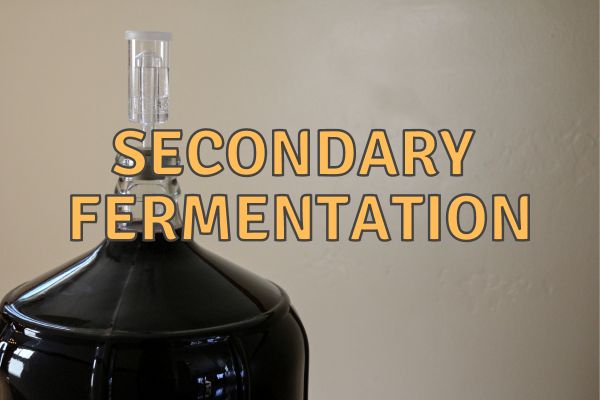
  • Secondary fermentation in brewing – What, Why and How!

    Secondary fermentation in brewing – What, Why and How!

    Secondary fermentation is a crucial step in the brewing process that often gets overlooked. It refers to the period of fermentation after the initial primary fermentation but before the beer is ready for consumption. This secondary fermentation is a term for when the brewer transfers the brew after primary fermentation. Secondary fermentation allows for further…