Category: Cider

I write about my own experience with cider brewing and answered relevant questions to help new and advanced brewers.

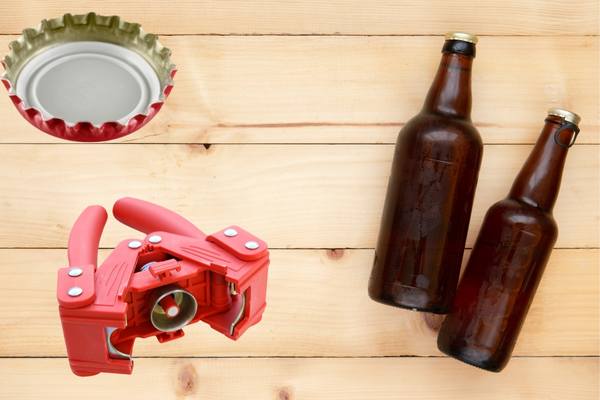
  • How Much Priming Sugar for 1 Bottle?

    How Much Priming Sugar for 1 Bottle?

    As a home brewer, you may be wondering how much priming sugar you need to carbonate one standard bottle containing 0.13 gallons or 0.5 liters of your cider, beer or sparkling wine. So, how much priming sugar for 1 bottle? If you are not using half-liter bottles, check out some of my other posts on…

  • How much priming sugar and water for 5 gallons?

    How much priming sugar and water for 5 gallons?

    As a home brewer, you may be wondering how much priming sugar you need to carbonate 5 gallons (19 liters) of your cider, beer or sparkling wine. So, how much priming sugar and water for 5 gallons? For 5 gallons or 19 liters of brew, you will want to add 80 grams of sugar to…

  • Can You Ferment Cranberry Juice Into Alcohol?

    Can You Ferment Cranberry Juice Into Alcohol?

    Have you ever wanted to turn cranberry juice into your own homemade alcohol? If so, you’ve come to the right place. Average cranberry juice can be fermented into a wine or cider with about 5% alcohol. Like other fruit juices, it will ferment when you add yeast to it. If you want higher alcohol percentages…

  • Best apples for Cider Brewing (How To Choose!)

    Best apples for Cider Brewing (How To Choose!)

    Cider apples are different from those we eat. They are higher in tannins and acidity, which gives cider its characteristic astringency. The best cider apples will have a balance of sweetness and acidity, with just enough tannin to give the cider body and structure. English cider apples are typically made with bittersweet or sharp apples,…

  • Pectic Enzyme in Cider Brewing: Uses and Alternatives!

    Pectic Enzyme in Cider Brewing: Uses and Alternatives!

    As a brewer, you may have come across the term “pectic enzyme” and wondered what it is and what it does. Pectic enzyme (also called pectinase) is an important ingredient in the brewing of cider and wine. Pectic enzyme is a type of enzyme that breaks down pectins. Pectins are found in the cell walls…

  • Cider Yeast: Best Yeasts for Hard Cider Making!

    Cider Yeast: Best Yeasts for Hard Cider Making!

    Making a great hard cider requires more than just good ingredients and technique. Yeast plays an important role in the final product, as it helps to create both flavor and alcohol content during fermentation. It can affect the taste, appearance, and alcohol percentage of your cider. Taste is perhaps the most important factor, and the…

  • Can You Make Cider From any Type of Fruit? (Which Ones?)

    Can You Make Cider From any Type of Fruit? (Which Ones?)

    While you can in theory make cider with any fruit that contains juice and sugar, these will not be considered “real” ciders unless they contain a substantial amount of apples or pears! So, you can indeed make “cider” or sparkling fruit wine (Pet Nat) from any fruit type, it will just not be considered cider…

  • Kegging Hard Cider Like a Pro – The Ultimate Guide!

    Kegging Hard Cider Like a Pro – The Ultimate Guide!

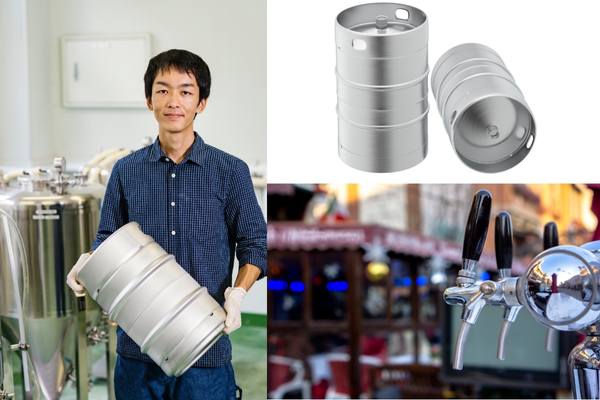
    Are you looking to take your hard cider brewing game up a notch? Kegging hard cider is an excellent way to store and serve it. Not only will kegging give you the convenience of having easy access to freshly tapped, carbonated hard cider whenever you want, kegging hard cider allows you to control the carbonation…

  • Cider Fermentation Timeline? (How Long Does It Take?)

    Cider Fermentation Timeline? (How Long Does It Take?)

    Cider making is not a complicated process, but it does involve a certain amount of waiting time. Especially if you make it from scratch – starting from the apples! The first steps of cider making are picking, washing, and crushing apples, which will take half a day or so. Some cider makers perform maceration, which…

  • What are Good Hard Cider Storage Containers?

    What are Good Hard Cider Storage Containers?

    Hard cider storage containers come in a variety of materials. For the most part, the best option is glassware, typically bottles, which will be reusable, airtight, and not give off taste or odors to your cider. Typically glass bottles are chosen for cider storage due to their high-pressure tolerance and ease of cleaning, but there…