Category: All Articles

  • Cyser Vs Mead?

    Cyser Vs Mead?

    As an experienced brewer, one question that I often get asked is, what’s the difference between Cyser and Mead? It’s not a surprising question considering that these two beverages share quite a few similarities. However, they are not interchangeable. In a nutshell, mead is a fermented beverage made primarily from honey, water, and yeast, while…

  • Can You Use Pasteurized Cider For Cyser?

    Can You Use Pasteurized Cider For Cyser?

    As a brewer, I often get asked about the different types of beverages that can be made at home. One question that frequently pops up is: Can you use pasteurized cider for cyser? The short answer is, yes, you can. But the process and the outcome might differ compared to using fresh, unpasteurized cider. For…

  • Can You Make Cider With Crab Apples?

    Can You Make Cider With Crab Apples?

    The answer is a resounding yes! You absolutely can make cider with crab apples. Believe me, I’ve done it myself, and the results were nothing short of remarkable. They do have a more tart and bitter taste, but adding some ordinary cider in will help adjust it to your taste! I’ve had great success making…

  • Sulfites in Beer – A Deep Dive!

    Sulfites in Beer – A Deep Dive!

    Sulfites in beer? You might be surprised to learn that they exist. Sulfites are commonly associated with wines, but they can also be found in certain beers. Let’s dive into the world of sulfites in beer and explore their purpose and importance. Overview of sulfites in beer Sulfites, including sulfur dioxide, are compounds that are…

  • Good Beers To Ferment At High Temperatures?

    Good Beers To Ferment At High Temperatures?

    The answer lies in the selection of yeast strains and beer styles that are tolerant to higher fermentation temperatures. From my personal experience, certain styles of beer, such as Saisons and Belgian Ales, along with specific yeast strains like, Norwegian Kveik, Brettanomyces and Saccharomyces cerevisiae var. diastaticus, are suitable for fermenting at higher temperatures. Ales…

  • Tawny vs Ruby Port: Which Is Best? For Cocktails?

    Tawny vs Ruby Port: Which Is Best? For Cocktails?

    As a professional brewer and microbiologist, I’ve spent years studying and savoring various wines. My passion doesn’t just stop at understanding the microscopic intricacies of fermentation; it delves deep into the sensory experiences that each wine brings. Today, we’re journeying into the world of port wines, specifically examining the differences between Tawny and Ruby ports.…

  • Historical Origins and Evolution of Cider – A Short History!

    Historical Origins and Evolution of Cider – A Short History!

    There’s a special place in my heart for cider. Its crisp, fruity notes bring back memories of my earliest brewing days, where I experimented with apple varietals in search of the perfect brew. This journey with cider has taken me not only through various fermentation processes but also through time, unveiling the intricate tapestry of…

  • How Do I Know If My Homebrew Is Fermenting?

    How Do I Know If My Homebrew Is Fermenting?

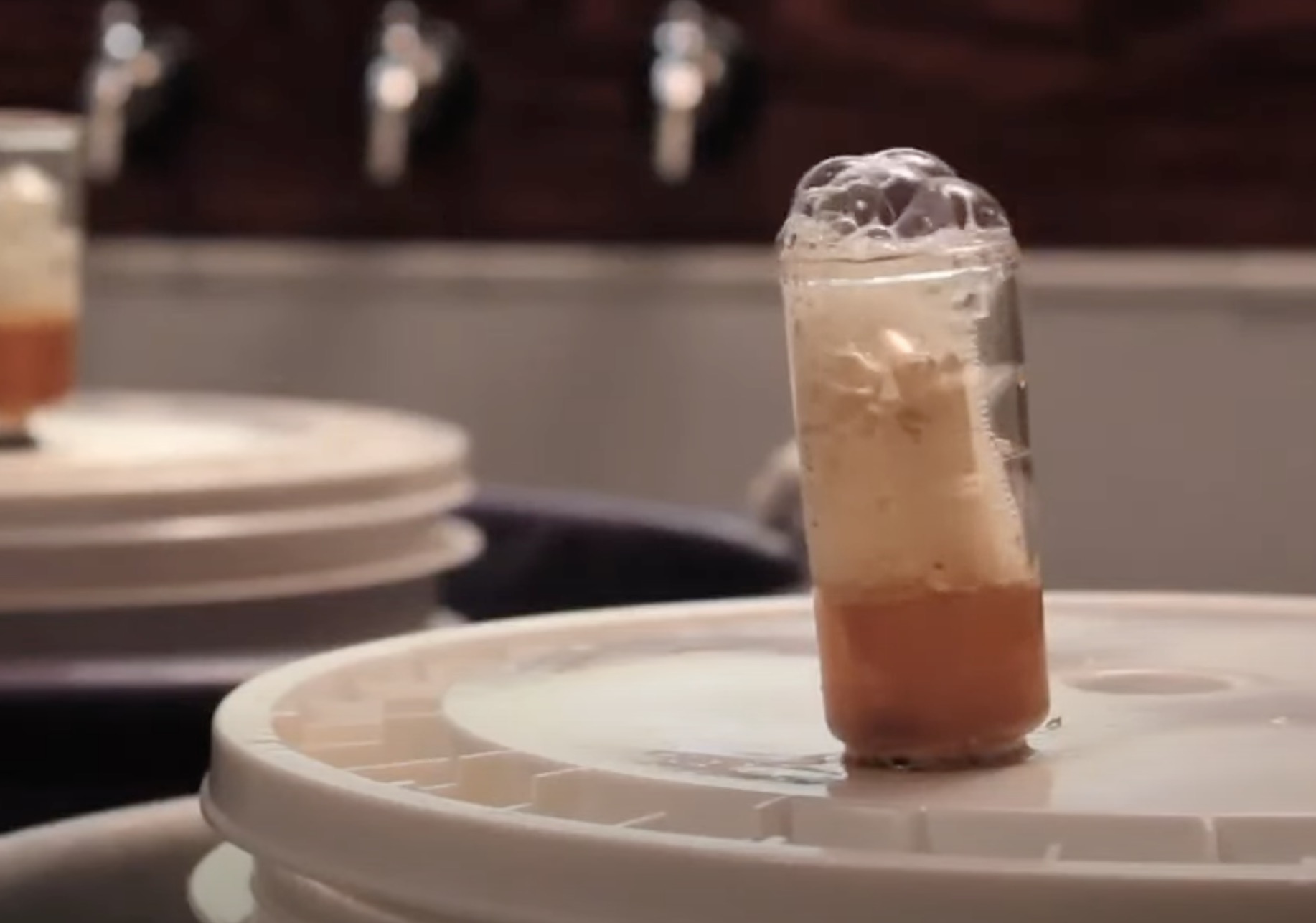
    If you’ve recently taken up homebrewing, one of the biggest questions you’ll likely have is, “how do I know if my homebrew is fermenting?” This is a critical question because fermentation is the process that turns your mixture of water, malt, hops, and yeast into a delightful beer. The main sign that a homebrew (whether…

  • How Long Does Homemade Wine Last?

    How Long Does Homemade Wine Last?

    As a seasoned home brewer, one question that I often get asked is “how long does homemade wine last?” The answer to this question is not as straightforward as it might seem. The longevity of homemade wine greatly depends on a variety of factors including the type of wine, the quality of the ingredients used,…

  • How To Tell If Mead Has Gone Bad? (Here’s What to Look For!)

    How To Tell If Mead Has Gone Bad? (Here’s What to Look For!)

    Making mead is a grand and ancient tradition, a craft that involves a delicate balance of ingredients, temperatures, and time. But how can you tell if your mead has gone bad? In this post, we will discuss the signs that your mead may not be fit for consumption, focusing on the smell, looks, taste and…