Category: Mead

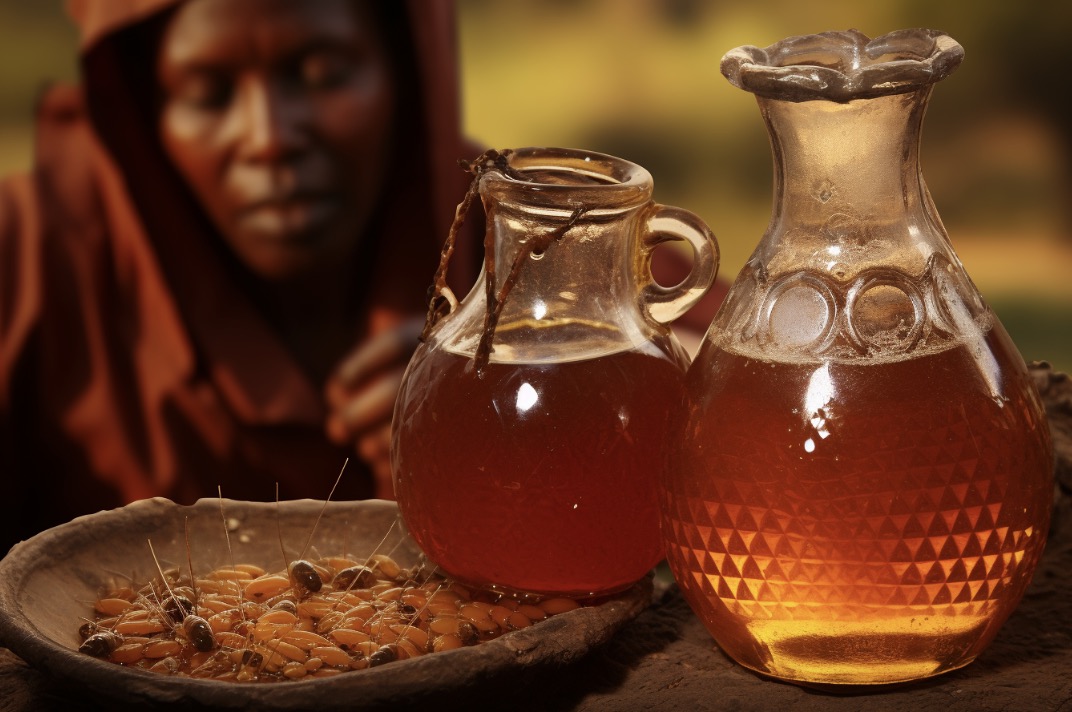
Mead is a strong wine brewed from honey and is traditional to the ancient viking cultures of the North. Mead is easy to home brew and hard to find in stores – so give it a try!

  • pH In Mead Making 101

    pH In Mead Making 101

    As a seasoned brewer who has made countless batches of mead, I cannot stress enough the importance of pH in the process of mead making. pH is the measure of acidity or alkalinity of a solution, and in mead making, it plays a crucial role in determining the health of the yeast, the taste of…

  • Is Mead The Oldest Alcoholic Beverage?

    Is Mead The Oldest Alcoholic Beverage?

    Yes, mead is, by many, considered to be the the oldest alcoholic beverage known to man. Made from fermented honey, water, and sometimes fruits, spices, grains or hops, mead has been traced back almost 9,000 years to China and Northern Europe. Its rich history and unique taste make it a fascinating subject for both enthusiasts…

  • Is Mead Healthier Than Beer?

    Is Mead Healthier Than Beer?

    As a brewer who has dedicated many years to the craft, I have had the pleasure of brewing and tasting a diverse range of beverages. Two of my favorites are mead and beer. These two have been consumed for centuries and have a rich history that adds to their allure. One question I often get…

  • Why Don’t We  Drink Mead Anymore?

    Why Don’t We Drink Mead Anymore?

    It’s a question that often comes up in discussions among fellow brewers and enthusiasts: why don’t we drink mead anymore? The simple answer is that over the centuries, other beverages like beer, wine, and spirits became more popular due to changes in agricultural practices, tastes, and social habits. But let’s delve deeper into this fascinating…

  • What Does Braggot Taste Like?

    What Does Braggot Taste Like?

    Braggot essentially tastes like a balanced blend of beer and mead, combining the maltiness of beer with the sweetness of honey. It can range from light to dark in color and from sweet to bitter in taste, depending on the ingredients used. Its flavor is rich, complex, and unlike any other beer you’ve ever tasted.…
  • Is Mead Easier To Make Than Beer?

    Is Mead Easier To Make Than Beer?

    As a seasoned brewer with years of experience under my belt, I’ve dipped my toes into various forms of brewing. From crafting the perfect pint of beer to concocting a sweet and satisfying mead, I’ve done it all. But one question I often get asked is, “Is mead easier to make than beer?“ The answer…

  • The Types Of Mead Explained!

    The Types Of Mead Explained!

    Mead is one of the oldest known fermented beverages, with origins dating back as far as 7000 BC. Over the centuries, different cultures have added their unique twists to this honey-based drink, leading to the creation of several subtypes of mead. Among them, Mead, Cyser, Braggot, and Melomel stand out as the most popular and…

  • What Is Melomel?

    What Is Melomel?

    If you’ve ever taken a deep dive into the world of homebrewing, you’ve probably come across the term Melomel. But what is Melomel? Melomel is a type of mead that is made by fermenting honey with fruit. Broadly speaking, any mead that contains fruit falls into this category. As a seasoned brewer, I’ve spent countless…

  • How to Make Pineapple Mead

    How to Make Pineapple Mead

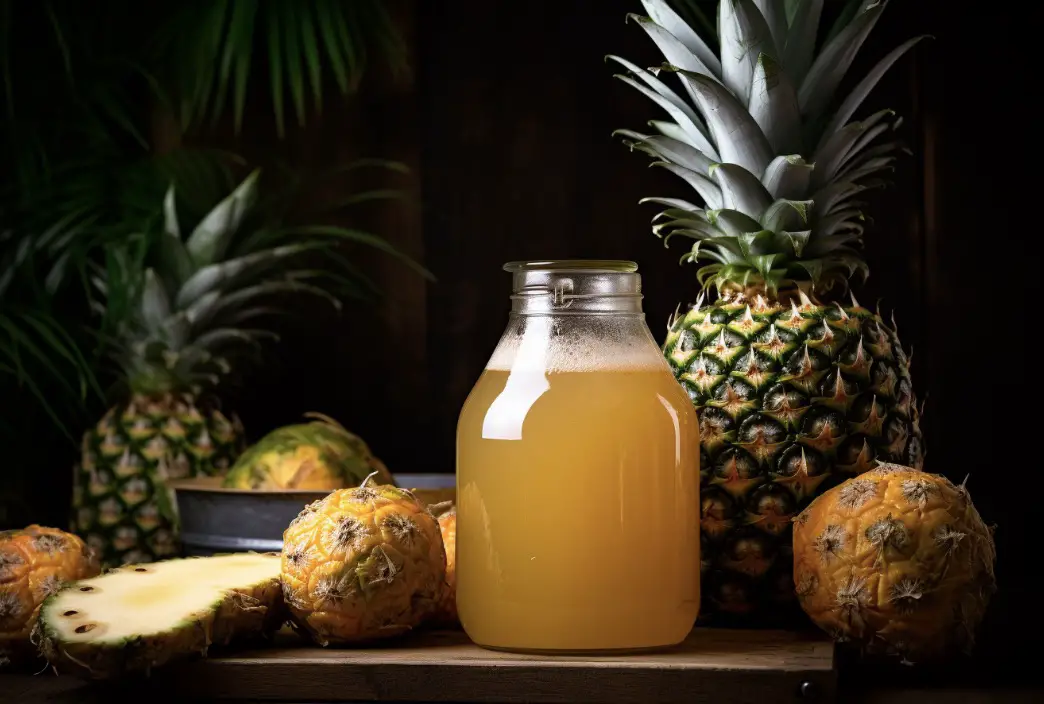
    Pineapple mead, also known as “mead with a tropical twist,” is a delicious and refreshing alcoholic beverage made by fermenting honey, water, and pineapples. It combines the natural sweetness of honey with the tropical flavors of pineapple to create a unique and flavorful beverage. Pineapple mead can be enjoyed on its own or used as…

  • How Much Potassium Metabisulfite Per Gallon Of Mead?

    How Much Potassium Metabisulfite Per Gallon Of Mead?

    As a brewer with years of experience, I’ve had my fair share of questions about the different ingredients and processes involved in creating the perfect batch of mead. One of the most common questions I get is: how much potassium metabisulfite per gallon of mead do I need? In general, you should add about 1/4…