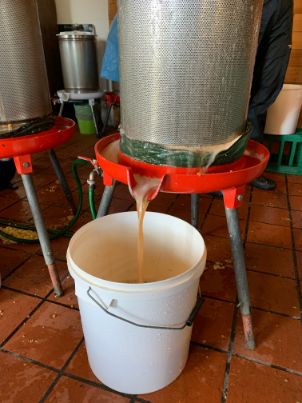

As a seasoned brewer, I have always been fascinated by the different techniques and ingredients that can be used to enhance the quality and taste of the final product. One such ingredient that has intrigued me over the years is ascorbic acid. In this blog post, I will be diving deep into the world of ascorbic acid, its uses and implications in wine brewing, and sharing my personal experiences and insights along the way.
Can ascorbic acid be used in wine brewing? Yes, ascorbic acid, also known as vitamin C, is a naturally occurring antioxidant that can be beneficial in winemaking. It is often used to prevent oxidation, improve color stability, and enhance the overall quality and longevity of the wine.
What is Ascorbic Acid?
Ascorbic acid, or vitamin C, is an essential nutrient found in various fruits and vegetables, most notably citrus fruits. It is a water-soluble vitamin and a powerful antioxidant, meaning it helps neutralize harmful free radicals in the body. In the context of winemaking, ascorbic acid can be added to the wine to help protect it from oxidative damage and ensure a longer shelf life.
The Role of Ascorbic Acid in Wine Brewing
Oxidation Prevention
One of the primary roles of ascorbic acid in wine brewing is to prevent oxidation. Oxidation is a chemical reaction that occurs when wine is exposed to oxygen, leading to a loss of freshness, color, and flavor. By adding ascorbic acid to the wine, it can help neutralize the oxygen molecules and prevent the undesirable effects of oxidation.
Color Stability
Ascorbic acid can also help improve color stability in wine, particularly in white and rosé wines. As wine ages, it can undergo browning, which can be undesirable. Ascorbic acid helps to prevent this browning by reacting with oxygen and preventing it from reacting with the phenolic compounds in the wine that are responsible for color development.
Aromatics Preservation
The addition of ascorbic acid can help preserve the delicate aromatics of wine, particularly in white and rosé wines. As wine ages, it can lose some of its fruity and floral aromatics due to oxidation. By adding ascorbic acid, you can help ensure that these desirable characteristics are preserved for a longer period.
When to Add Ascorbic Acid in the Winemaking Process
The timing of adding ascorbic acid to wine is crucial to its effectiveness. It is typically added at two key stages in the winemaking process:
During Crushing
Ascorbic acid can be added during the crushing stage, particularly for white and rosé wines. This helps to prevent oxidation right from the start, ensuring that the wine’s delicate aromas and flavors are preserved.
Post-Fermentation
Ascorbic acid can also be added after fermentation, just before bottling. This can help provide an additional layer of protection against oxidation and ensure that the wine remains fresh and vibrant for a longer period.
Dosage and Considerations
When using ascorbic acid in wine brewing, it is essential to use the correct dosage to achieve the desired results. The recommended dosage varies depending on the type of wine and the desired effect. Generally, white and rosé wines require a higher dosage, typically between 50-150 ppm (parts per million), while red wines may require a lower dosage, around 30-50 ppm.
It is crucial to note that ascorbic acid can have some negative effects if used in excessive amounts. Overuse can lead to the formation of hydrogen peroxide, which can cause oxidative damage to the wine. Therefore, it is essential to use the correct dosage and consult with experienced winemakers if you are unsure.
My Personal Experience with Ascorbic Acid in Wine Brewing
Throughout my brewing journey, I have experimented with ascorbic acid in various wine styles and have seen its benefits firsthand. In my experience, ascorbic acid has been particularly effective in preserving the freshness and vibrancy of white and rosé wines. The addition of ascorbic acid has also helped improve color stability, preventing unwanted browning and ensuring a more visually appealing final product.
However, I have also learned that ascorbic acid is not a one-size-fits-all solution. It is essential to carefully consider the type of wine, the desired effect, and the correct dosage to ensure that the addition of ascorbic acid enhances the wine rather than causing unintended consequences.
Alternative Antioxidants in Wine Brewing
While ascorbic acid is a popular choice for preventing oxidation in wine, there are alternative antioxidants that can be used, including:
- Sulfur dioxide (SO2): A widely used antioxidant in winemaking that can effectively prevent oxidation and preserve the wine’s freshness and flavor.
- Glutathione: A naturally occurring antioxidant found in grapes that can also help prevent oxidation in wine.
- Tannins: Found naturally in grape skins, seeds, and stems, tannins can act as antioxidants and help protect wine from oxidation.
Each of these alternatives has its advantages and disadvantages, and the choice ultimately depends on the specific wine and the desired effects.
Conclusion
In conclusion, ascorbic acid is an effective and widely-used antioxidant in wine brewing that can help prevent oxidation, improve color stability, and enhance the overall quality and longevity of the wine. To fully reap the benefits of ascorbic acid, it is essential to understand when and how to use it correctly and consider alternative antioxidants when necessary.
Here are ten key takeaways about ascorbic acid in wine brewing:
1. Ascorbic acid, or vitamin C, is a naturally occurring antioxidant that can be used in winemaking.
2. It helps prevent oxidation, improve color stability, and preserve aromatics in wine.
3. Ascorbic acid is particularly beneficial for white and rosé wines.
4. It can be added during the crushing stage or post-fermentation, just before bottling.
5. The recommended dosage varies depending on the type of wine and the desired effect.
6. Overuse of ascorbic acid can lead to the formation of hydrogen peroxide, causing oxidative damage to the wine.
7. In my personal experience, ascorbic acid has been effective in preserving the freshness and vibrancy of white and rosé wines.
8. It is important to carefully consider the type of wine, the desired effect, and the correct dosage when using ascorbic acid.
9. Alternative antioxidants in wine brewing include sulfur dioxide, glutathione, and tannins.
10. The choice of antioxidant ultimately depends on the specific wine and the desired effects.
FAQs
Is there ascorbic acid in wine?
Yes, there can be ascorbic acid in some wines, but the levels are typically very low and not a significant source of vitamin C.
What does ascorbic acid do for wine?
Ascorbic acid, also known as vitamin C, can be used in winemaking as an antioxidant to prevent oxidation and to help preserve the wine’s color and flavor.
Does red wine have ascorbic acid?
Yes, but red wine does not contain significant amounts of ascorbic acid (vitamin C) unless added.
Why is ascorbic acid added to wine?
Ascorbic acid, also known as vitamin C, is added to wine as an antioxidant to prevent oxidation and maintain the wine’s color, flavor, and aroma. It also helps to prevent the growth of unwanted microorganisms and stabilize the wine during storage and aging.
What is the concentration of ascorbic acid in wine?
The concentration of ascorbic acid in wine varies depending on the type of wine and its production process, but typically ranges from 0.1 to 10 mg/L.